Discover Port-Side Kitchen
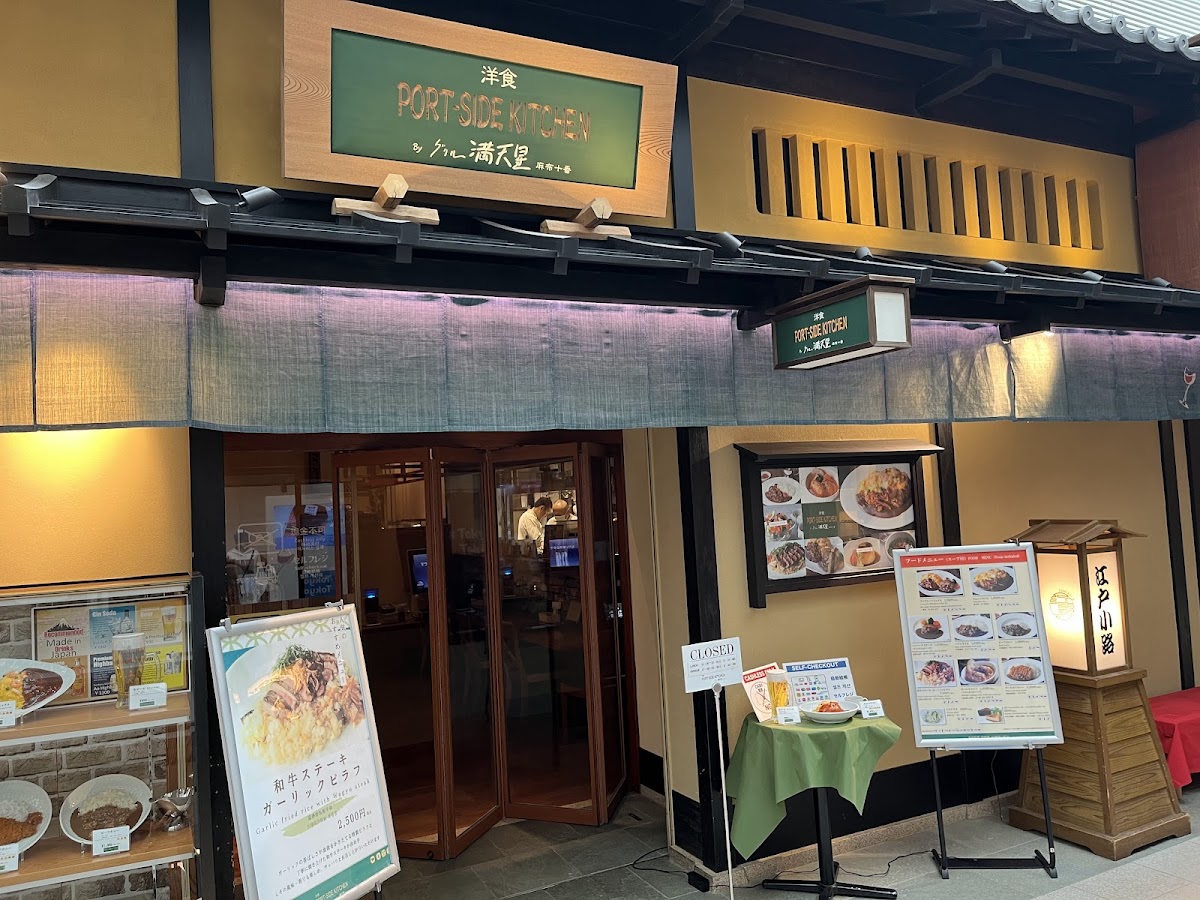
Walking through Terminal 3 after a long international flight, the first place that felt genuinely calming to me was Port-Side Kitchen, tucked neatly on the fourth floor at Haneda Airport in Tokyo. I’ve eaten at my share of airport diners across Asia and Europe, and most are fine at best, but this spot immediately stood out for how grounded it felt-less rushed, more intentional, and clearly designed for travelers who want a real meal before or after flying.
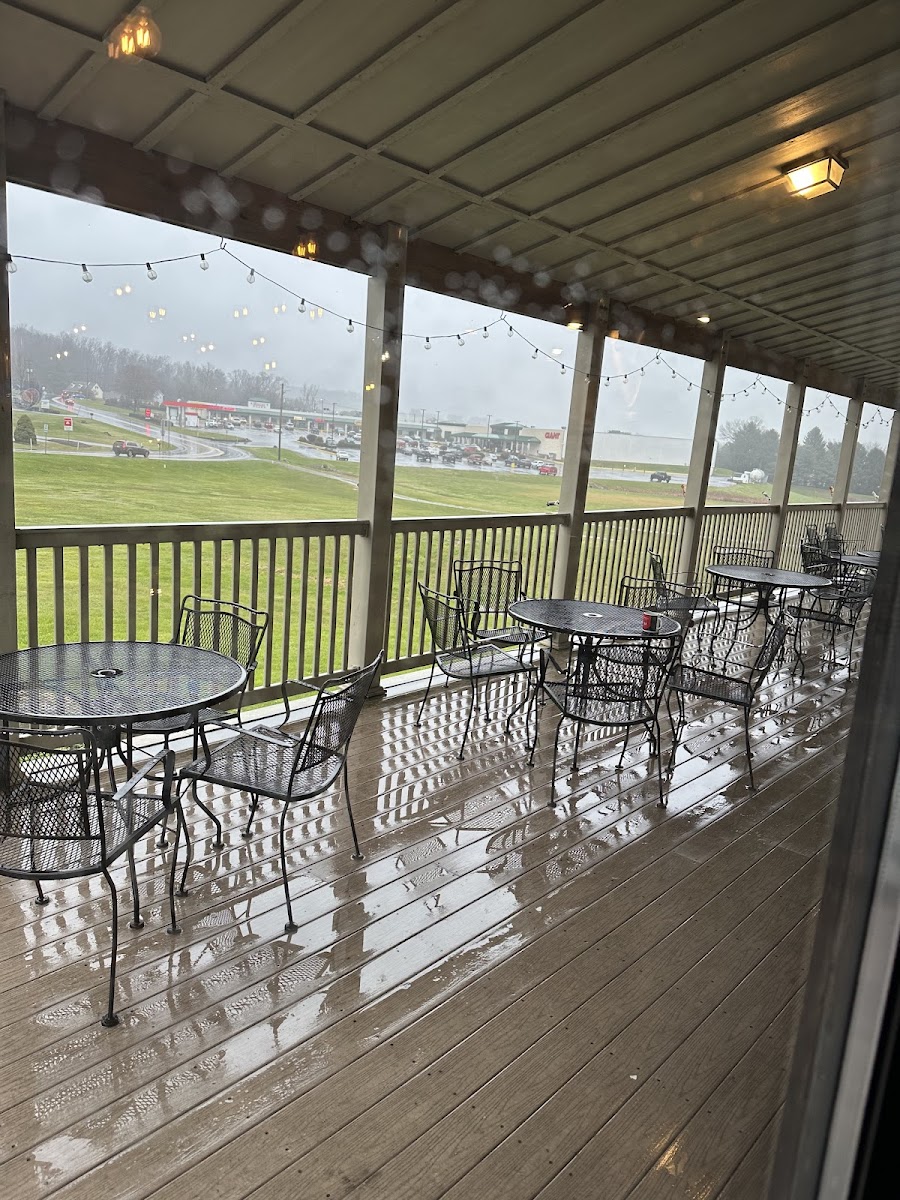
The location itself does a lot of the heavy lifting. Being inside Haneda Airport means the kitchen serves an international crowd, and you can see that reflected in the menu choices. When I visited during a late evening layover, the dining room was a mix of business travelers, families with kids, and solo flyers killing time before boarding. Despite the foot traffic, service stayed steady and unhurried, which is not easy to pull off in an airport setting.
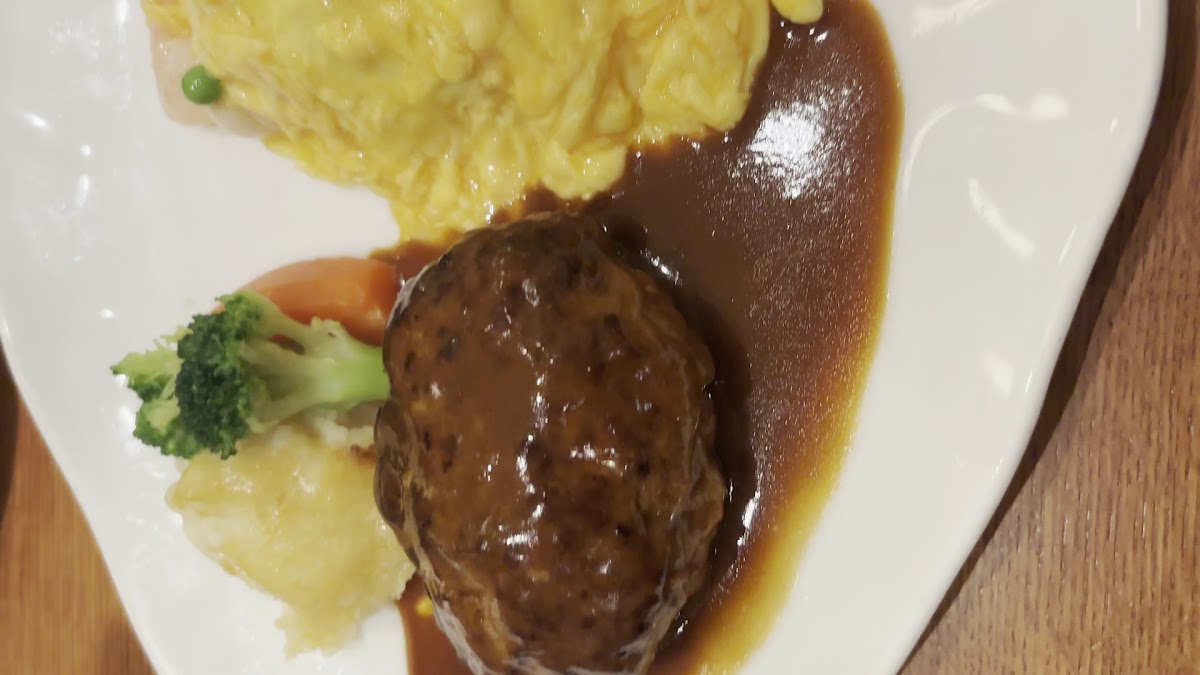
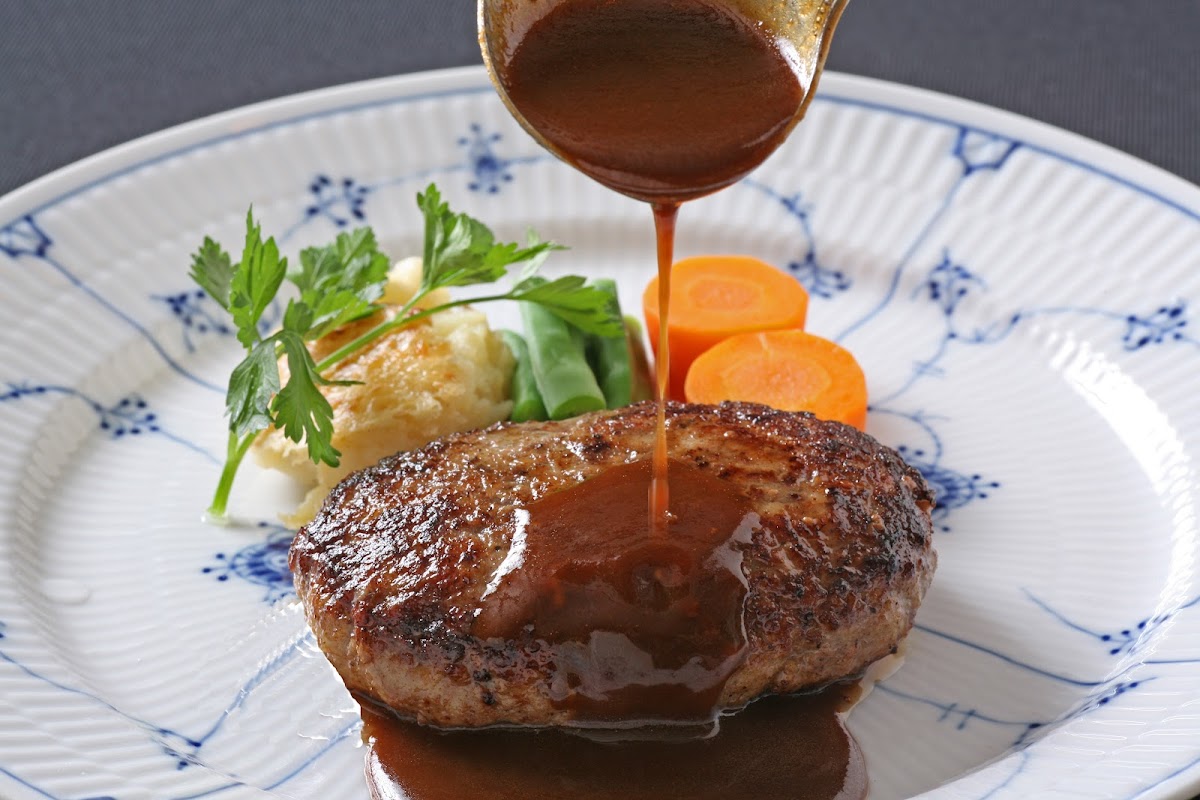
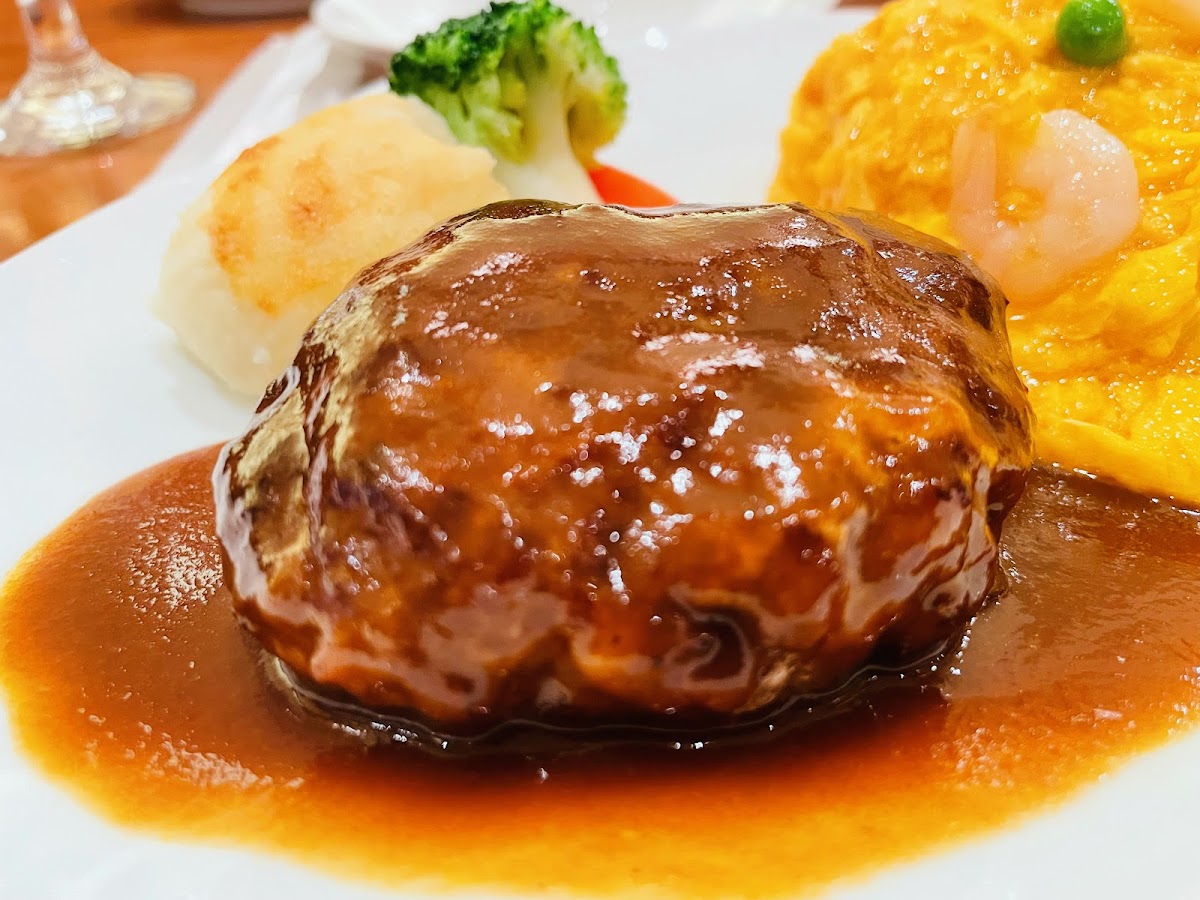
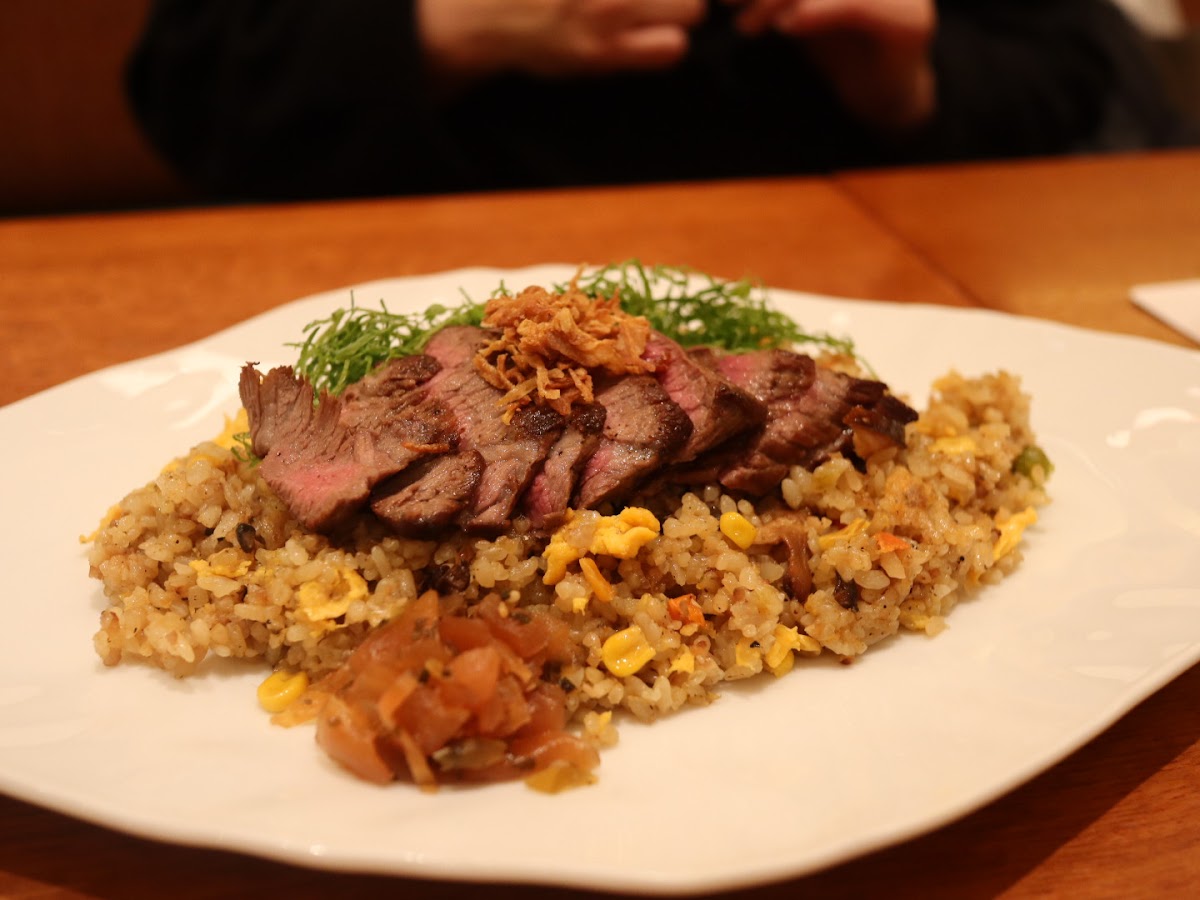
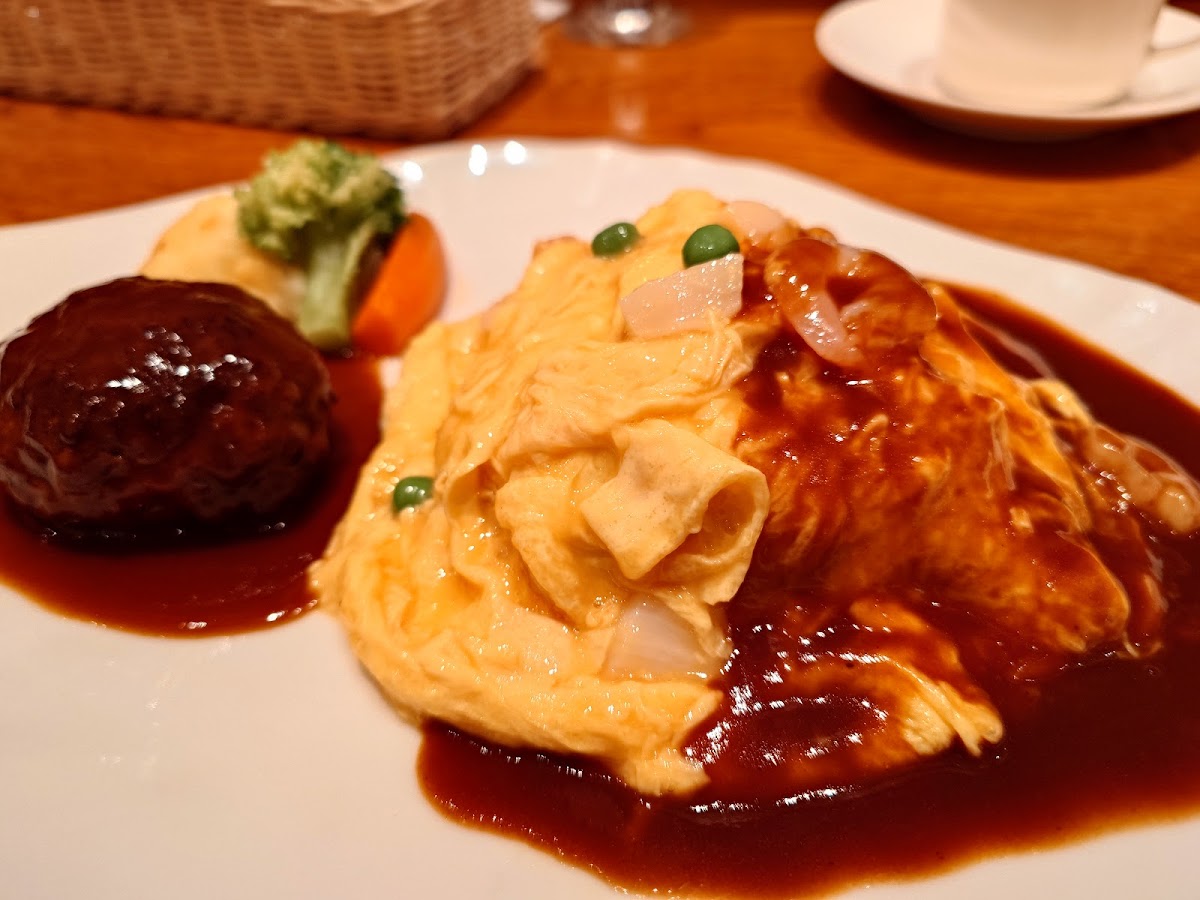
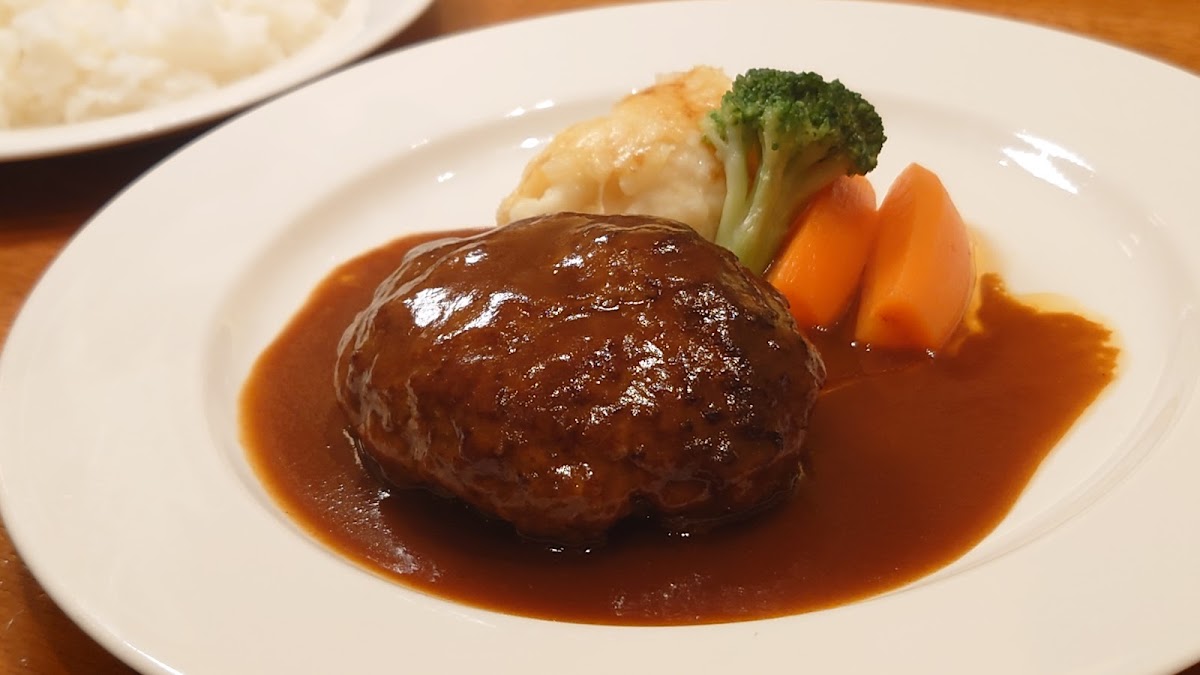
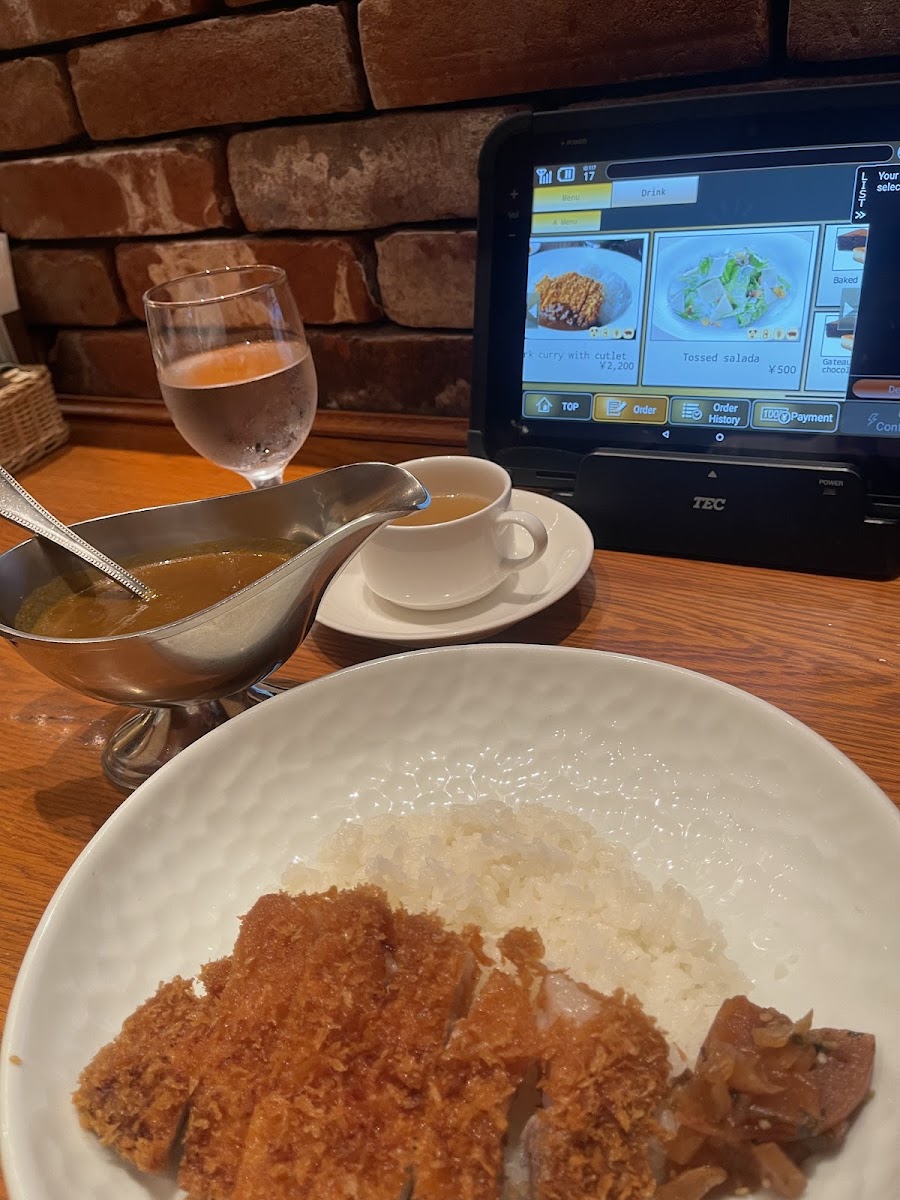
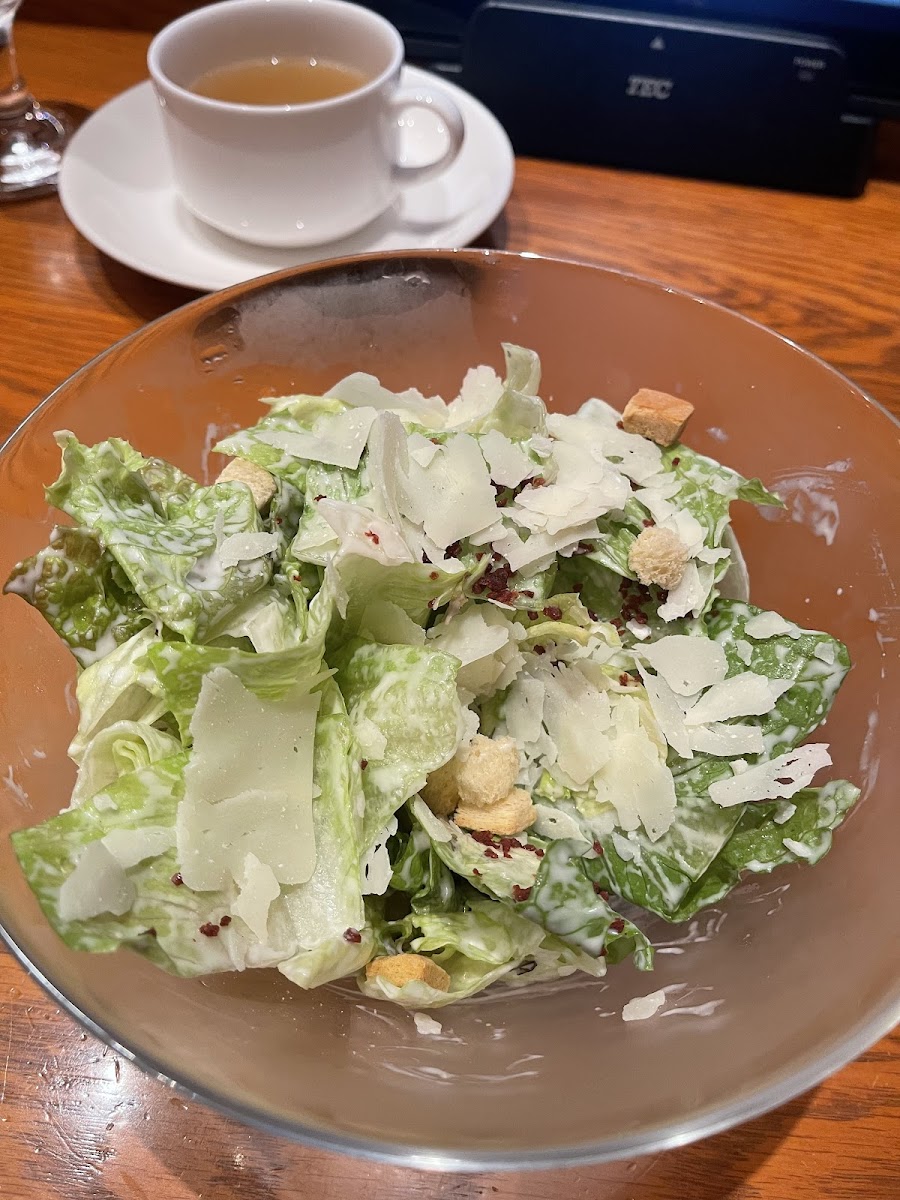
What impressed me most was how the menu balances familiarity with quality. Instead of overcomplicating things, the kitchen focuses on well-executed comfort food: grilled meats, rice bowls, fresh salads, and breakfast-style plates available well into the day. I ordered a set with grilled chicken, seasonal vegetables, and miso soup. The chicken was juicy, properly seasoned, and clearly cooked to order-not reheated, which is often the weak point in airport food. That attention to process matters. According to the Japan Food Service Association, consistency and freshness are among the top factors influencing diner satisfaction in high-traffic locations, and this kitchen seems to take that research seriously.
Another visit, earlier in the morning, gave me a different perspective. Breakfast service leaned lighter, with eggs, toast, and Japanese-style options that felt filling without being heavy. Watching the staff work, you notice a clear system: orders are staged quickly, plating is clean and repeatable, and nothing looks rushed. This kind of operational discipline is often taught in professional culinary training programs, and it shows here in small but meaningful ways.
Reviews from other travelers echo the same themes. Many mention reliable food quality, clean seating areas, and the comfort of knowing exactly what you’re getting. In an airport environment, predictability is a strength. The Airports Council International has repeatedly highlighted that dining satisfaction strongly affects overall airport ratings, and restaurants like this are a big reason Haneda consistently ranks high in passenger experience surveys.
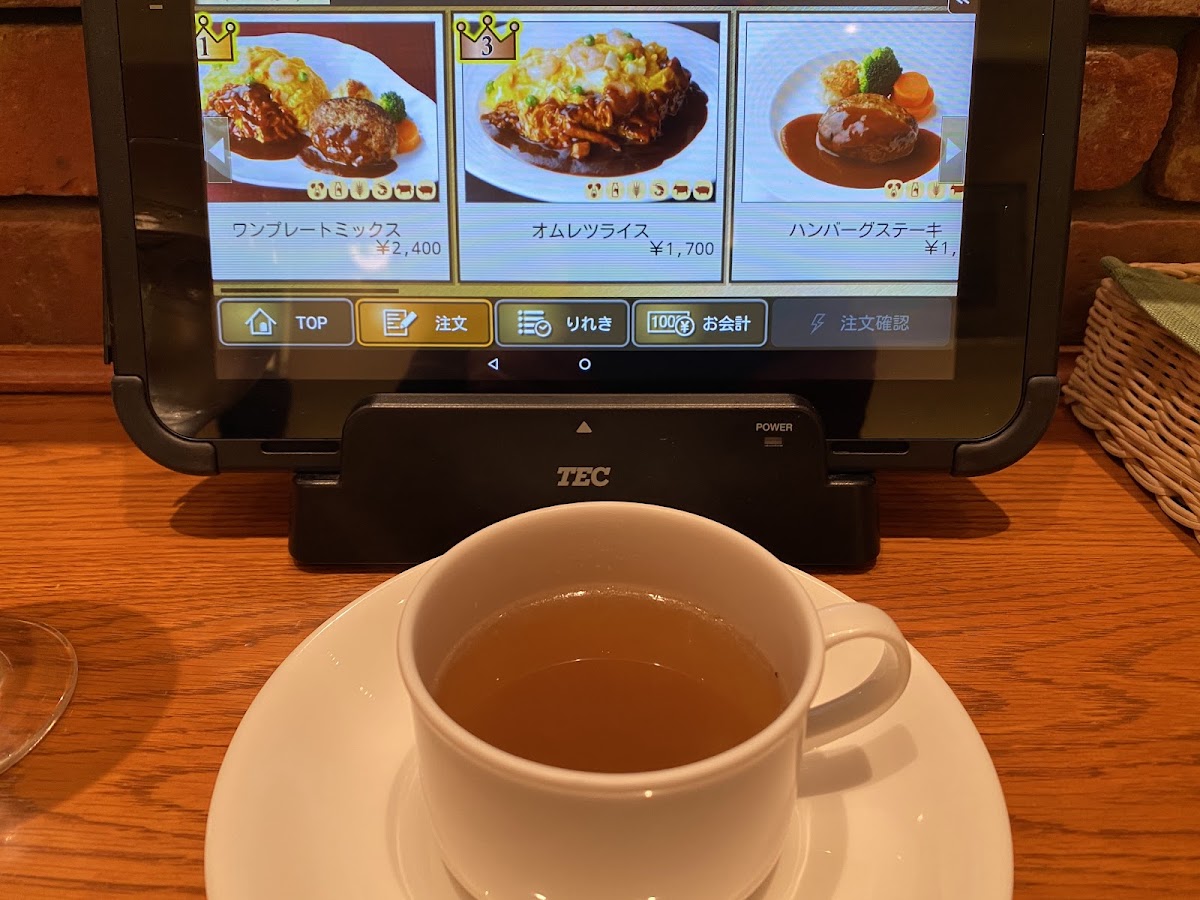
There’s also something to be said for trust. Prices are transparent, portions are fair, and allergen information is clearly displayed. For international travelers navigating jet lag and language barriers, that clarity builds confidence. While the kitchen doesn’t try to be a destination restaurant in the city-wide sense, it succeeds at what it sets out to do: provide a dependable, well-run dining experience in a stressful environment.
That said, there are limitations. During peak hours, especially late afternoons, wait times can stretch longer than expected, and seating fills up fast. If you’re in a tight connection window, takeout might be the smarter option. Also, while the menu covers a wide range of tastes, travelers looking for highly specialized regional cuisine may find the selection more practical than adventurous.
Still, for a restaurant located at Japan, 〒144-0041 Tokyo, Ota City, Hanedakuko, 2 Chome−6−5 Terminal 3, 4F Haneda Airport, it consistently delivers where it counts. The combination of thoughtful menu design, solid execution, and traveler-focused service makes it a place I actively look for now when passing through the terminal. It’s the kind of airport diner that quietly earns repeat visits, not through hype, but through doing the basics very, very well.